

12. Haus Orth
12. Haus Orth
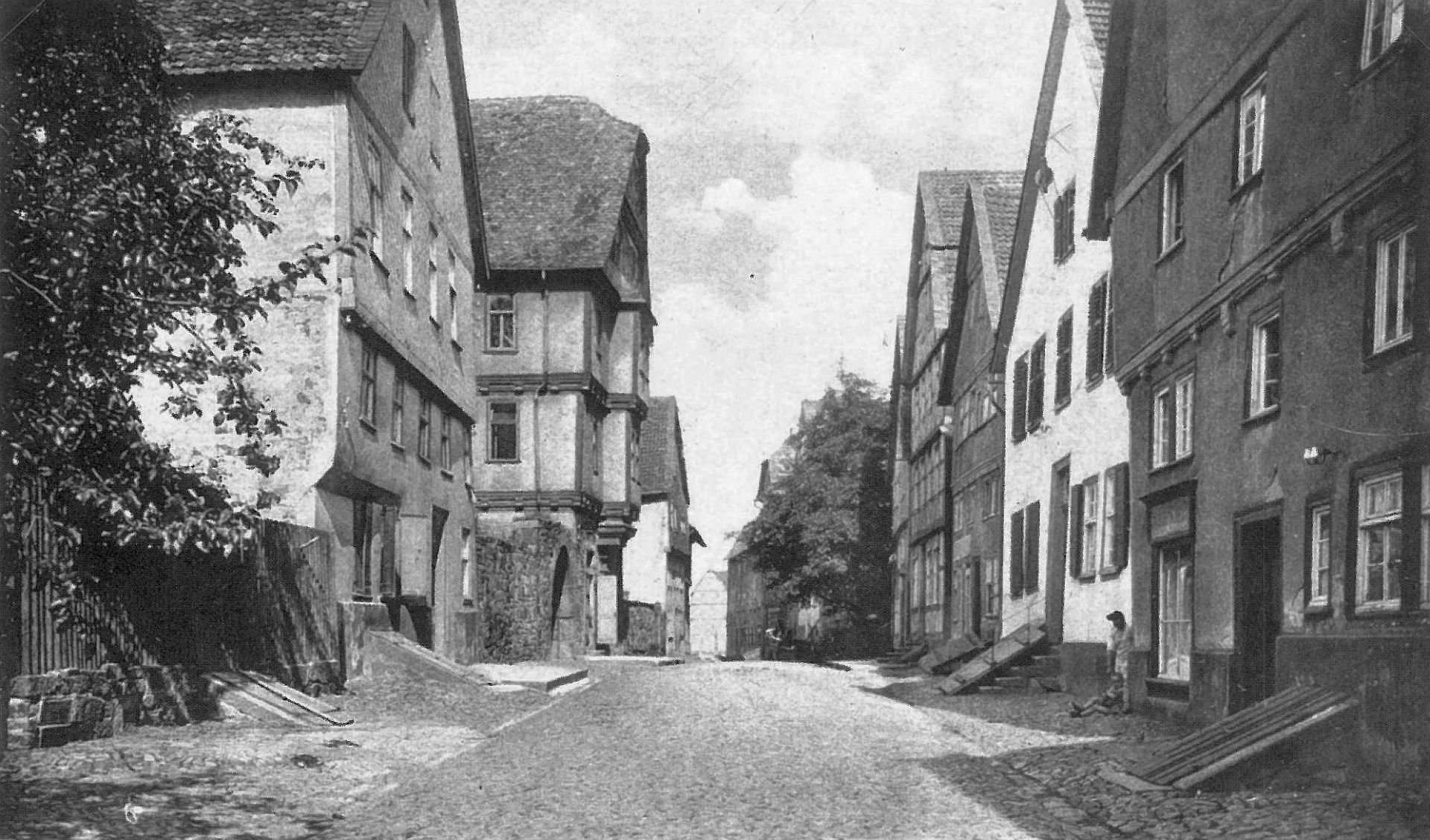
Haus Orth 1910
Bitte wählen Sie Ihre Sprache / Please choose your language







Gotischer Ständerbau (frühe Form der Fachwerkkonstruktion) von 1520. Ehemaliges Patrizierhaus, jahrhundertelang im Besitz der wohlhabenden Familie Günst. Die Patrizier waren im Mittelalter die alteingesessenen und einflussreichen Bürgerfamilien, denen allein die Ratsfähigkeit zukam. Aus diesen Familien wurden die Ämter der Stadt besetzt. Später Wohnhaus des landwirtschaftlichen Anwesens Orth. 1976-1978 saniert, zeitweilige Nutzung durch das benachbarte Museum.

A Gothic post-and-beam construction (an early form of half-timbered constructions) dating from 1520. A former patrician house, for centuries owned by the wealthy Günst family. In the Middle Ages, the social class of patricians consisted of the old-established and influential bourgeois families with the privilege of being electable as magistrates of the town’s council. Only from these families the holders of civil offices in the town were elected. Later this was the residential house of the agricultural estate of the Orth family. From 1976 to 1978 renovated, then temporarily used by the neighboring museum.

Gotisch vakwerkhuis uit 1520. Voormalig patriciërshuis, eeuwenlang eigendom van de rijke familie Günst. In de middeleeuwen waren de patriciërs de gevestigde en invloedrijke burgerfamilies, die als enige het recht hadden om het ambt van raadslid te bekleden. Deze families vervulden de ambten in de stad. Later woongebouw van het landbouwdomein Orth. Gerenoveerd 1976-1978, tijdelijk gebruikt door het naburige museum.

Ce bâtiment sur piliers gothiques (bois longs - l’ancien style de maison à colombages) fut construit en 1520. Jadis immeuble d’habitation d’une famille bourgeoise, il a été pendant des siècles en possession de la famille Günst. Au Moyen Age on appelait bourgeois les familles bien implantées et influentes ; elles seules avaient le droit de siéger au conseil municipal. La gestion de la ville était attribuées à ces familles. Plus tard le bâtiment a servi d’immeuble d'habitation pour la propriété agricole de la famille Orth. Rénové entre 1976 et 1978, il est utilisé temporairement par le musée voisin.

Edificio gotico a montanti e travi (prima forma di costruzione a graticcio) del 1520. Ex casa patrizia, per secoli di proprietà della ricca famiglia Günst. Nel Medioevo, i patrizi erano le famiglie di borghesi di lunga data e influenti, le sole ad avere il diritto di ricoprire la carica di consigliere. Le cariche cittadine erano occupate da queste famiglie. Edificio residenziale successivo della tenuta agricola di Orth. Ristrutturato nel 1976-1978, temporaneamente utilizzato dal vicino museo.

Edificio gótico de postes y vigas (primera forma de construcción con entramado de madera) de 1520. Antigua casa patricia, propiedad durante siglos de la acaudalada familia Günst. En la Edad Media, los patricios eran las familias burguesas más antiguas e influyentes, las únicas con derecho a ser concejales. Los cargos de la ciudad estaban ocupados por estas familias. Más tarde fue la residencia del señorío agrícola de Orth. Renovado entre 1976 y 1978, utilizado temporalmente por el museo vecino.