
32. Hardehäuser Hof
32. Hardehäuser Hof
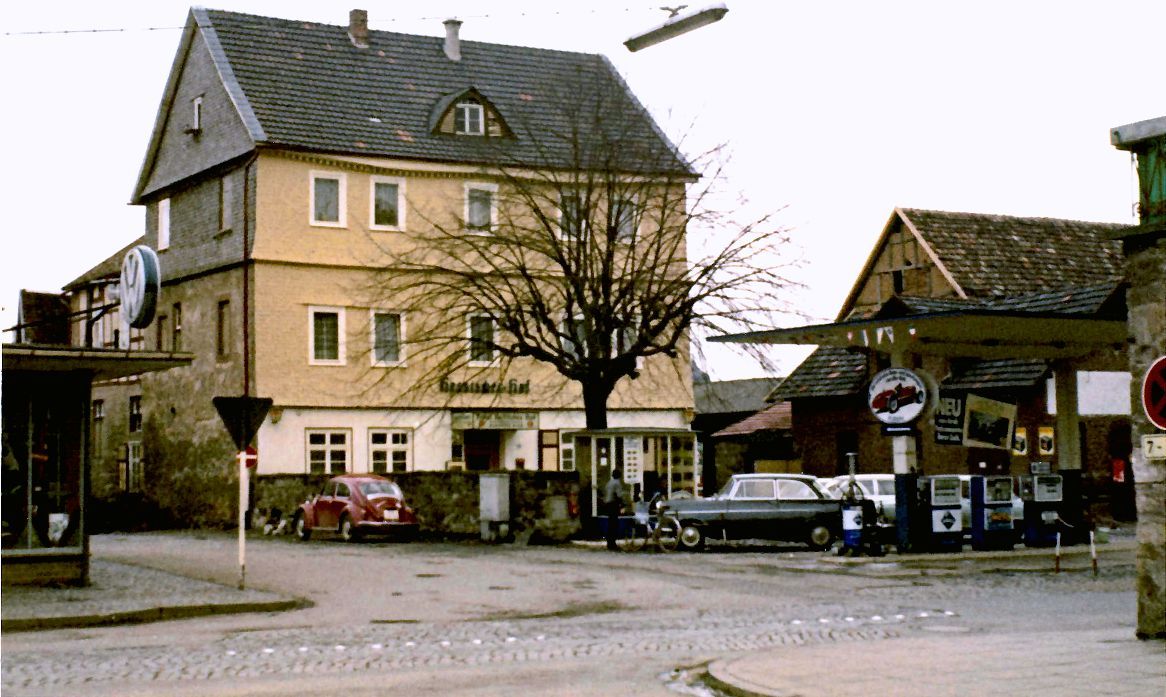
Hardehäuser Hof 1975
Bitte wählen Sie Ihre Sprache / Please choose your language







1244 erstmals als Anwesen des westfälischen Zisterzienserklosters Hardehausen erwähnt. Ursprünglich bestand der Hof aus Wohngebäude, Stallungen, Fruchtscheunen und Kapelle. Klöster besaßen häufig einen räumlich sehr weit verstreuten Besitz in Form von Ländereien, Häusern und sonstigen Einkünften, für deren Verwaltung eigens erbaute Klosterhöfe benötigt wurden. Nach dem Übergang des Hardehäuser Hofes in staatlichen Besitz im Jahre 1803 wurde er privatisiert. In der Folgezeit bis 1975 Nutzung als Gastronomiebetrieb bzw. als landwirtschaftlicher Hof. In den Jahren 1988-1996 wurde der rückwärtige Teil des erhaltenen Haupt- und Wohngebäudes sowie die noch vorhandenen Scheunenbauten umfassend saniert und unter Verwendung moderner Konstruktionselemente zu einem Kulturzentrum umgebaut.

This place was first mentioned in 1244 as an estate of the Westphalian Cistercian monastery of Hardehausen. Originally the “Hof” (i.e. farm) consisted of residential buildings, stables, fruit barns and a chapel. Monasteries often possessed widely scattered properties in the shape of land, houses and would raise lease income, for the administration of all this specially built monastery courtyards like this one were set up.After the Hardehäuser Hof had become state property in 1803, it was privatised. In the following decades until 1975 it was used as a pub or as an agricultural farm. In the years from 1988 to 1996, the rear part of the preserved main and residential buildings as well as the remaining barn buildings were extensively renovated and converted into a cultural centre using modern construction elements.

Voor het eerst vermeld in 1244 als een landgoed van het Westfaalse cisterciënzerklooster van Hardehausen. Oorspronkelijk bestond de boerderij uit woongebouwen, stallen, fruitschuren en een kapel. Kloosters hadden vaak zeer wijd verspreide bezittingen in de vorm van land, huizen en andere inkomsten, voor het beheer waarvan speciaal gebouwde kloosterboerderijen nodig waren. Nadat het Hardehäuser Hof in 1803 werd overgedragen aan de staat, werd het geprivatiseerd. Vervolgens werd het tot 1975 gebruikt als horecabedrijf en boerderij. In de jaren 1988-1996 werden het achterste deel van het bewaard gebleven hoofd- en woongebouw en de resterende schuurgebouwen uitgebreid gerenoveerd en met moderne bouwelementen omgebouwd tot een cultureel centrum.

La ferme fut mentionné premièrement en 1244 comme propriété du couvent cistercien Hardehausen de Westphalie. Au début, cette ferme se composait des bâtiments d’habitation, des bâtiments pour les bêtes, des granges pour les fruits et d’une chapelle. Les couvents possédaient souvent des biens disséminés comme des champs, des bâtiments et d’autres revenus pour l’administration desquels ils construisaient des cours. Quand – en 1803 - la ferme Hardehäuser passe à la possession de l’état, elle est privatisée et dans les années suivantes jusqu’à 1975 utilisée comme restauration ou comme ferme. Dans les années 1988 – 1996 la partie située à l’arrière du bâtiment central et du bâtiment d’habitation fut complètement rénovée et – sous l’utilisation d’éléments de constructions modernes - transformée en centre culturel.

Menzionata per la prima volta nel 1244 come tenuta del monastero cistercense di Hardehausen. In origine, la fattoria consisteva di edifici residenziali, stalle, granai per la frutta e una cappella. I monasteri avevano spesso proprietà molto disperse sotto forma di terreni, case e altre entrate, per la cui amministrazione erano necessarie fattorie monastiche appositamente costruite. Dopo che l'Hardehäuser Hof è stato trasferito alla proprietà statale nel 1803, è stato privatizzato. In seguito è stato utilizzato come attività di ristorazione e fattoria fino al 1975. Negli anni 1988-1996, la parte posteriore dell'edificio principale e residenziale conservato e i restanti edifici del fienile sono stati ampiamente ristrutturati e convertiti in un centro culturale utilizzando elementi costruttivi moderni.

Mencionada por primera vez en 1244 como finca del monasterio cisterciense westfaliano de Hardehausen. Originalmente, la finca constaba de edificios residenciales, establos, graneros de fruta y una capilla. Los monasterios solían tener propiedades muy dispersas en forma de tierras, casas y otros ingresos, para cuya administración se necesitaban granjas monasteriales especialmente construidas. Después de que el Hardehäuser Hof pasara a manos del Estado en 1803, fue privatizado. Posteriormente se utilizó como negocio de restauración y granja hasta 1975. En los años 1988-1996, la parte trasera del edificio principal y residencial conservado, así como los restantes edificios del granero, se renovaron ampliamente y se convirtieron en un centro cultural utilizando elementos de construcción modernos.